Faculty Spotlight: Karyn Hemsworth

How Karyn Hemsworth Became the Heart of Dalhousie Engineering

By: Joelle Korkomaz
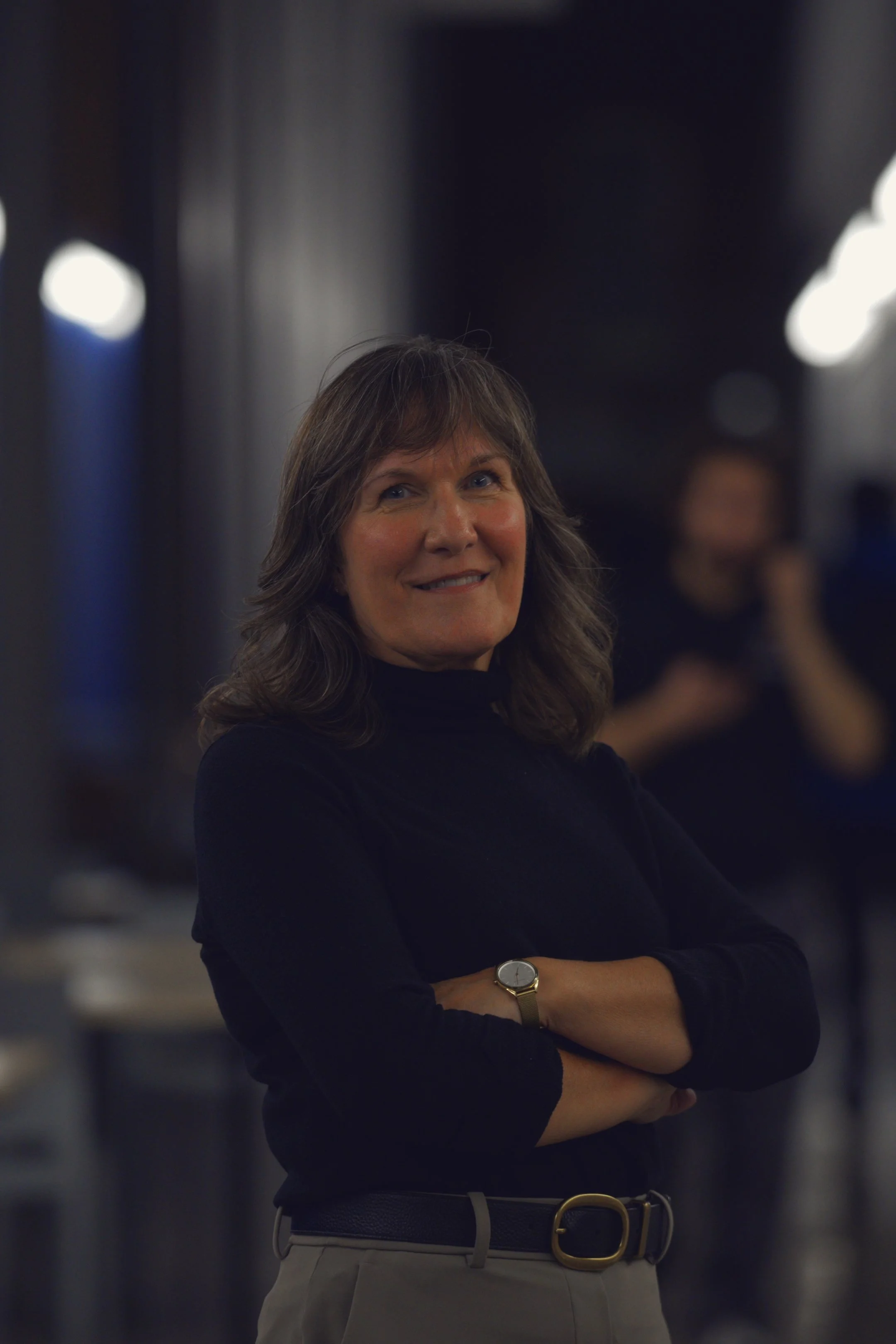
Pictured: Karyn Hemsworth

Whether you know her as the mother of engineering, a fairy godmother, or simply Karyn, you sure know about her amazing spirit that keeps engineering students thriving.  

Karyn Hemsworth, a familiar face on Sexton campus, joined Dalhousie's Faculty of Engineering as Student Engagement Coordinator in 2014. She has since helped generations of engineering students navigate the demands of the program alongside real-life challenges and find their place in the community, eventually watching them cross the graduation stage where she is among the proudest in the crowd. 

“I have the best job in the whole world,” she says. 


When Karyn first joined Dalhousie, her position was part of a pilot program intended to support students struggling academically, but she recognized another challenge that had been overlooked: students struggling emotionally. 

Questioning why there wasn’t emotional support structured for engineering students, she began shaping her role around connecting students to resources they needed, whether through counselling, academic support, or opportunities to get involved on campus. 

“I want everyone to feel like we want them and that they belong here,” she explains. 


Her understanding of student challenges comes partly from her own education journey; Karyn left high school in Grade 10 and spent years working before becoming a mother at 23. Having her first daughter motivated her to return to school, both to further her education and to demonstrate its importance to her children. 

“I always felt like I was smart, and then I wanted to prove it,” she recalls. 


With that mindset still fueling her drive, she completed an undergraduate degree in philosophy at Mount Saint Vincent University, which was undoubtably an incredible achievement, but  ‘obtain a master’s degree’ was still on her bucket list. Not quite yet satisfied, she continued her education to get a master's in Public Administration at Dalhousie in 2012 and ticked another goal off her list. 

Karyn sees Engineering as a demanding program on its own, but the biggest challenge for students is managing their personal lives between all the work: relationships, financial concerns, and even routine tasks like doing the laundry can become overwhelming. 

“You can't do everything,” she says. “You have to give up things.” 


She recognizes the sacrifices students make throughout their degrees, and rather than pretending their challenges are easy to overcome, she encourages students to prioritize, make difficult decisions, and recognize their own limits.  

Beyond individual support, Karyn also plays an important role in student life. She works with engineering societies and student groups to develop initiatives, organize events, and navigate the practical challenges of bringing ideas to life. 

Students have compared her to a fairy godmother,; a description she welcomed with a laugh, but was quick to emphasize that the students themselves are the ones responsible for building the community. 

When you ask her about retirement, it's clear she's not quite ready to graduate from Sexton herself. Her bucket list is complete from going skydiving all the way to ‘getting the best job in the world, and she wouldn’t change a thing; after all, what would campus be like without the mother of engineering?  

For some students, Karyn Hemsworth is the person who helps them through a difficult semester; for others she is the person who helps bring an idea to life. Regardless of how you come to know her, Karyn is what makes this campus feel like home.  


Society Spotlight: Studio East

The Return of Studio East: Preserving Architecture’s Past While Highlighting Its Future 

By: Joelle Korkomaz

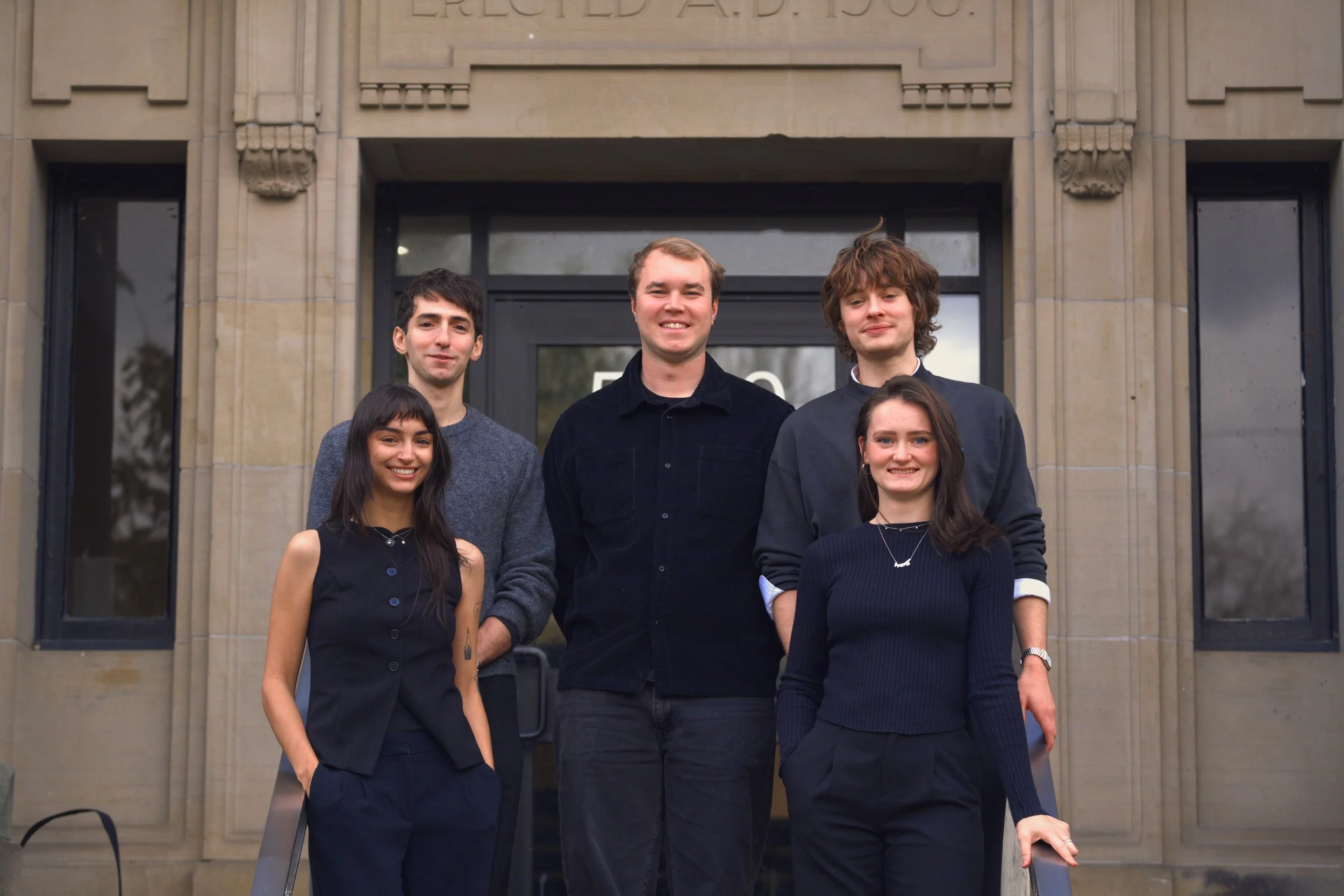
Pictured: Lauryn Marchand, Mahmoud Istanbouli, Thomas Emerson, Ryan Torosantucci, Cameron Tiffin
Not pictured: Blake Klotz, Tayler Roberts, Deanna Fraser

Buildings are designed to last, but the creative ideas behind their designs aren't always preserved. For 15 years, generations of Dalhousie architecture students have passed through the program without the visibility or documentation their work deserved.  Now, nonother than the Studio East publishing society has changed that. 

First established in 1995, Studio East showcased student projects for more than a decade before its final edition in 2011. The idea to revive it this year emerged last summer, when students involved with the architecture student association saw an opportunity to bring the publication back. 

“We saw so much good work happening in the architecture school,” Cameron Tiffin explained. “It’s a really awesome way to highlight what students are doing.” 

And so began the rebuilding of Studio East with a team of eight graduate students who had never collaborated on such a massive project together. Navigating a new environment was intimidating, but they remained driven by student enthusiasm; determined to bring the publication to life as a team.  

Over the course of about eight months, the team managed everything from collecting submissions and editing layouts, to securing funding, coordinating printing, and planning distribution. 

While faculty members and publishing contacts provided guidance, much of the process involved learning as they went, dividing their responsibilities between editorial and production work. 

Without hesitation, architecture students flooded Studio East with their own submissions, contributing unique projects to the publication through their own writing and images. As these submissions arrived, the project grew beyond its original scope, consequently raising the printing costs and pushing the team to re-evaluate their plans in order to ensure the final product remained accessible, inclusive, and cohesive.  

The editorial team ultimately organized student work according to academic progression, allowing readers to follow the development of design skills from early undergraduate exercises, to complex master's-level proposals. 

Beyond showcasing current projects, the team wanted to reconnect with the journal's history while creating something future students could look back on. That vision inspired this year's theme: inheritance. 

Exploring how knowledge, ideas, and traditions are passed between generations, the theme shaped both the publication's content and design. The team retained the Studio East name to honour its legacy while introducing the beginning of their new identity by including colour photography, moving beyond the predominantly black-and-white pages of earlier editions. 

Local professors and practising architects also contributed reflections on inheritance, sharing perspectives on architectural education, personal experiences, and the profession. 

Together, these contributions classify the publication somewhere in-between an architectural journal and a yearbook, capturing the projects, people, and experiences that define a moment in the school's history. 

Following their revival success, Studio East has already begun preparing for its future with a brand-new committee to produce the next edition. Supported by documentation, resources, and lessons passed down by the outgoing team, this transition aims to establish Studio East as an annual tradition. 

The handover also reflects the very theme that inspired the publication; just as architectural knowledge passes between generations of students, so does the responsibility of preserving their work. 

Available at the Sexton Library alongside earlier editions, Studio East's latest publication offers a glimpse into how students learn to embrace the world around them. Whatever your field of study, in its pages you might find more similarities to your own journey than you'd expect!  

Architecture shapes the spaces we share, and Studio East introduces the people who will shape them next. 

Student Spotlight: Anna Brozek

A Degree in Planning, a Future Still Unfolding 

By: Alhareth Abu Osba

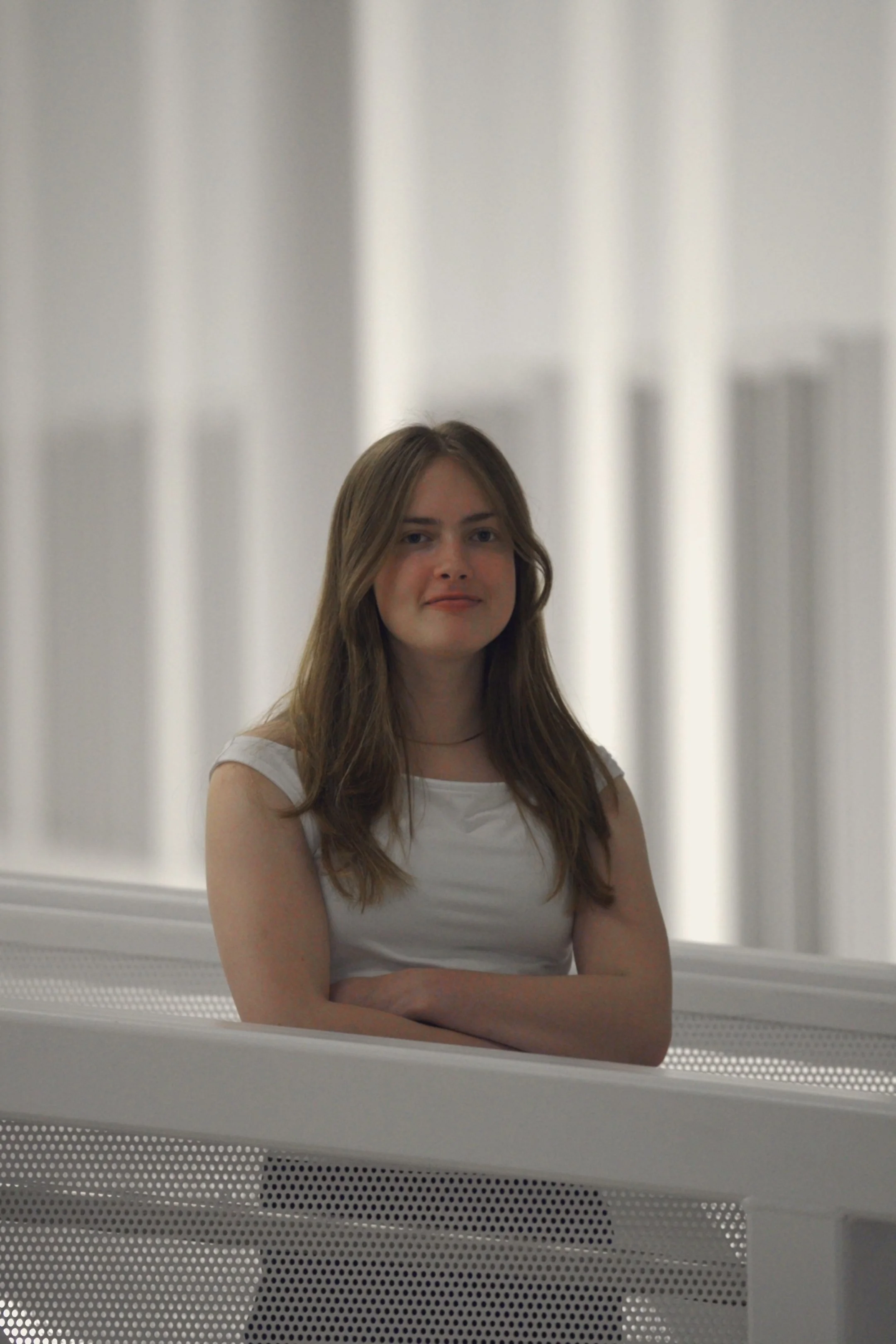
Pictured: Anna Brozek

Anna Brozek may describe herself as introverted, but she's never been one to shy away from asking questions. Driven by her curiosity, the first-year Bachelor of Planning student has made her willingness to question the world around her into a strength. 

Growing up in Fall River, Nova Scotia, Brozek had always pictured herself attending Dalhousie University. Attending summer camps on campus as a child, she has now returned to begin her undergraduate degree, finding new ways to explore a familiar place. 

Planning wasn't a field Brozek had been exposed to or initially considered. With a longstanding interest in environmental issues, she first explored programs in environmental science before discovering urban planning. What attracted her was the opportunity to combine several interests within one discipline, bringing together environmental sustainability, public health, policy, and community development. 

Brozek's involvement in youth climate initiatives throughout high school reflected those interests. Since then, her curiosity has led her to explore the social dimensions of planning, especially how the design and development of communities can influence public health and quality of life. 

From transportation networks and housing to public spaces and accessibility, urban planning shapes how people interact with their surroundings and experience everyday life. Beyond the physical development of communities, the field requires an understanding of the social, environmental, and economic factors that influence decisions and the people affected by them. 

A field built around collaboration, planning brings together architects, engineers, governments, and community members, balancing different perspectives to create practical solutions. Brozek describes planners as “negotiators,” working to find common ground between competing interests. This collaborative spirit is reflected in the faculties that make up Dalhousie's Sexton Campus, each playing an important role in shaping the communities we live in. 

Beyond her academic interests, Brozek emphasizes the importance of taking action despite uncertainty. For her, growth comes from embracing discomfort, challenging yourself, and being willing to pursue opportunities without knowing where they might lead. 

Earlier this year, she was named one of 36 recipients across Canada of the Loran Award, a four-year leadership enrichment program that recognizes strength of character, commitment to service, and leadership potential. 

Despite knowing how competitive the selection process would be, Brozek decided to apply for the Loran Award. She hadn't expected to advance beyond the initial stages, yet she progressed through several rounds of selection, including interviews in Toronto, before ultimately receiving the award. 

The recognition has since brought opportunities for mentorship, leadership development and connection with individuals across different backgrounds. Particularly meaningful to Brozek is the chance to learn from people whose experiences and perspectives differ from her own.  

As for what comes after graduation, Brozek isn't committed to a single path. She is interested in municipal planning, public policy, and advocacy, recognizing that her interests will continue to evolve as she learns more about the field. 

Rather than measuring the success of her university experience against a single achievement or career goal, Brozek aims to stay curious and preserve her willingness to explore. A perspective that resonates with students at every stage of their degree. 

Still at the beginning of her university experience, Brozek isn't in a rush to decide exactly where her degree will take her. The next four years represent an opportunity to learn, build relationships, and pursue new interests that come her way. And while she may not know exactly what lies ahead, she's excited to find out.